
Planting
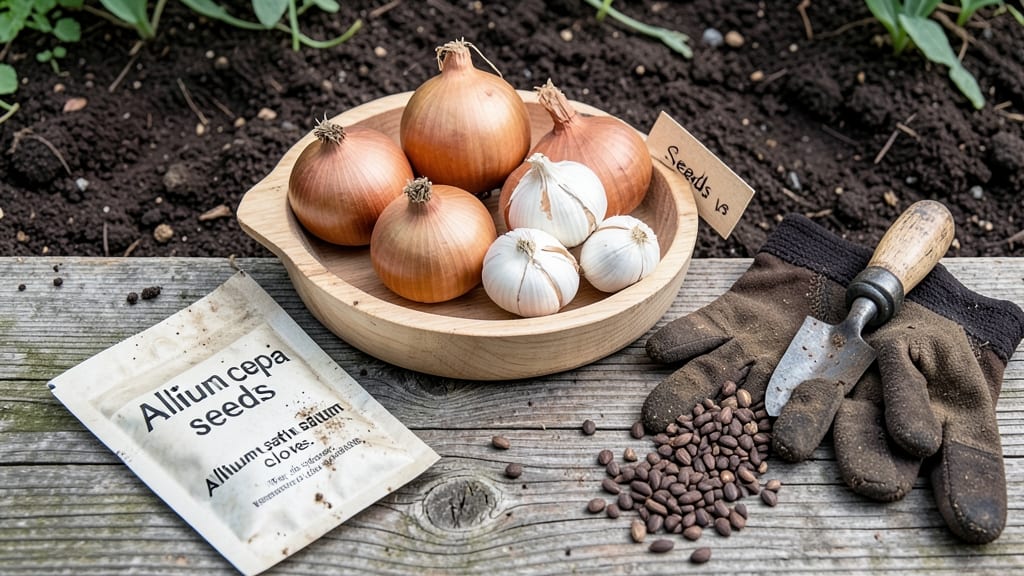
Growing alliums from seeds or bulbs changes everything about your harvest. 🌱 I’ve tried both methods, and bulbs deliver faster blooms, while seeds unlock rare varieties that nurseries won’t carry. The choice depends on your patience—and your goals.
Bulbs are the foolproof route: plant them in fall, and by next spring, you’ll see tall, elegant stems with globe-shaped flowers. They thrive in well-draining soil and full sun, with minimal fuss. The trade-off? Limited variety—most bulbs are common cultivars.
Seeds take longer but reward you with unexpected surprises—exotic colors, unusual shapes, and heirloom types. Start them indoors in early spring, then transplant after frost. They need consistent moisture and patience, but the payoff is a garden that stands out. For quick results, go with bulbs.
For adventure, try seeds. Both methods work—it’s just a matter of timing and what you’re willing to wait for.
The first product explained
Meet Allium Champion—your go-to for effortless, high-yield allium planting! 🌱 Whether you're a seasoned gardener or just starting, this premium kit simplifies growing garlic, onions, shallots, and leeks from scratch. No more guessing—just plant, nurture, and harvest like a pro.
📏 Key Specs & Features
- Variety Pack: Includes 100% organic, non-GMO seeds and bulbs for garlic, yellow onions, red shallots, and baby leeks.
- Grower’s Guide: Comes with a step-by-step planting chart, soil prep tips, and pest-control hacks.
- Container-Friendly: Perfect for pots, raised beds, or in-ground planting (1-gallon pots included).
- Climate Adaptable: Suited for USDA Zones 3-10—ideal for spring or fall planting.
- Eco-Conscious: Biodegradable seed packets and compostable pots for sustainable gardening.
🎯 Who’s It For?
This kit is a game-changer for:
- Beginners: No prior experience needed—just follow the easy instructions!
- Small-Space Gardeners: Grow alliums in balconies, patios, or even windowsills.
- Health-Conscious Cooks: Harvest fresh, pesticide-free alliums for soups, salads, and roasts.
- Budget-Savvy Shoppers: Save money by growing your own instead of buying store-bought.
💰 Price Point & Value
Priced at $29.99 (a steal for what you get!), Allium Champion pays for itself in just one harvest. Compare that to buying pre-grown bulbs or seeds separately—this kit offers 30-50% savings while giving you double the yield.
💡 Pro Tip: Use promo code _HARVEST20_ for an extra 20% off during seasonal sales!
The second product explained
If you're looking for a low-maintenance, high-reward option that still delivers big flavors and stunning blooms, Allium 'Gladiator' Bulbs might be your perfect match! 🌱✨ These hardy, clumping alliums are a favorite among gardeners who love drama without the fuss.
Let’s dive into why they’re a standout choice for both beginners and seasoned growers.
🌟 Key Specs & Features
- Variety: Allium 'Gladiator' – A perennial favorite known for its striking, globe-shaped purple blooms (up to 6 inches wide!) that appear in late spring to early summer.
- Growth Habit: Clumping, with tall stems (24–36 inches) that add vertical interest to gardens. Perfect for borders, cut flowers, or even container gardens!
- Hardiness: Thrives in USDA Zones 3–9, making it one of the most versatile alliums for different climates.
- Sunlight Needs: Full sun (6+ hours daily) for the best blooms, but tolerates partial shade.
- Soil Preference: Well-draining soil (they hate soggy roots!). Amend heavy clay with compost or sand for optimal growth.
- Bloom Time: Late spring to early summer, with foliage dying back in summer—ideal for layered garden designs.
- Pollinator Magnet: Attracts bees, butterflies, and beneficial insects, boosting your garden’s ecosystem! 🐝
🎯 Who’s This For?
This product is a fantastic fit for:
- Beginners: Easy to plant and care for—just pop bulbs in the ground, water occasionally, and watch them thrive!
- Cut Flower Enthusiasts: The bold, long-lasting blooms make stunning bouquets and dry beautifully for winter arrangements.
- Low-Maintenance Gardeners: Once established, these bulbs are drought-tolerant and require minimal upkeep.
- Perennial Lovers: Unlike annual seeds, these bulbs come back year after year, offering decades of color with proper care.
💰 Price Point & Value
Priced at $12.99 for a pack of 5 bulbs, Allium 'Gladiator' offers exceptional value for the impact they deliver. Compared to seeds (which require more time and effort), these bulbs guarantee instant gratification with minimal risk.
Plus, their long lifespan means you’ll enjoy their beauty for years to come—making it a cost-effective investment for any garden.
💡 Pro Tip: For a wow factor, plant them in odd-numbered groups (3, 5, or 7 bulbs) to create a natural, full look. Pair with Allium 'Purple Sensation' or Allium 'Schubert' for a stunning allium rainbow!
Head-to-head comparison
Ready to dive into the allium seeds vs bulbs showdown? Let’s break down the key differences in a side-by-side comparison so you can decide which planting method fits your garden goals—whether you’re aiming for fast results, cost savings, or long-term rewards.
Here’s how they stack up across the most important dimensions:
🌱 Growth Speed & Time to Harvest
If you’re craving a harvest in a hurry, bulbs and seeds take wildly different paths to the finish line.
| Metric | Allium Bulbs | Allium Seeds |
|---|---|---|
| Time to Sprout | 🌱 2–4 weeks (depending on variety and climate) | 🌱 4–8 weeks (slower germination, especially in cooler soils) |
| Time to Maturity | 📅 60–90 days (e.g., garlic, shallots, onions) | 📅 90–150+ days (e.g., leeks, chives, or seed-grown onions) |
| Seasonal Flexibility | ❄️ Best for fall/winter planting (hardy bulbs like garlic thrive in cold) | ☀️ Spring or early summer (seeds need warm soil to germinate) |
Winner for speed? Bulbs take the gold medal—especially if you’re growing hardneck garlic or shallots, which can be planted in late fall for a summer harvest. Seeds, however, are the patience-play option if you’re okay waiting (or if you’re growing perennials like chives).
💰 Cost & Value for Money
Your wallet will notice the difference—especially if you’re scaling up your garden. Here’s the breakdown:
| Metric | Allium Bulbs | Allium Seeds |
|---|---|---|
| Upfront Cost | $0.50–$2 per bulb (depends on variety; organic bulbs cost more) | $1–$5 per packet (50–100 seeds; heirloom/seeds can be pricier) |
| Yield per Dollar | 💰 Higher (1 bulb = 1 plant; great for small spaces) | 💰 Lower initially, but scalable (1 packet = dozens of plants) |
| Long-Term Savings | 🔄 Limited (must repurchase yearly unless saving bulbs) | 🌱 Huge! (save seeds from mature plants for future seasons) |
| Best For | Small gardens, beginners, or immediate harvests | Large plots, seed savers, or experimental varieties |
Pro tip: 💡 If you’re growing perennial alliums (like chives or Egyptian walking onions), seeds are a one-time investment—once established, they’ll regrow year after year with minimal effort. Bulbs, meanwhile, are ideal if you want guaranteed results with minimal upfront hassle.
🌿 Planting & Maintenance Effort
Let’s talk hands-on work. Some gardeners prefer the set-and-forget approach, while others love the creative challenge of seed-starting.
| Metric | Allium Bulbs | Allium Seeds |
|---|---|---|
| Ease of Planting | ✅ Super simple (just dig, drop, cover) | ⚠️ More involved (requires soil prep, proper depth, and patience) |
| Germination Success | 🌱 Nearly 100% (bulbs are pre-sprouted) | 🌱 Hit-or-miss (depends on soil temp, moisture, and seed viability) |
| Weed Competition | 🌾 Moderate (bulbs establish quickly but may need thinning) | 🌱 Higher risk (slow starts mean weeds can outcompete seedlings) |
| Pest/Disease Risk | 🐜 Varies by pest (e.g., onion flies target bulbs) | 🐜 Lower for some pests (but damping-off can be an issue) |
Winner for low-maintenance? Bulbs win by a landslide—just pop them in the ground, and they’ll focus on growing while you handle other tasks. Seeds, however, reward attentive gardeners with the joy of watching tiny sprouts emerge (and the satisfaction of saving seeds for next year!).
🌍 Variety & Customization
Want to grow rare heirloom onions or experimental hybrids? Your choice between seeds and bulbs will dictate your options.
| Metric | Allium Bulbs | Allium Seeds |
|---|---|---|
| Availability of Varieties | 🥔 Limited (common varieties like garlic, shallots, yellow onions) | 🌱 Vast! (heirloom, hybrid, rare, and regional varieties) |
| Hybrid Potential | ❌ No (bulbs are clones of the parent plant) | ✨ Yes! (cross-pollination can create unique traits) |
| Perennial Options | 🔄 Limited (some shallots or garlic may regrow, but not reliably) |