
Planting
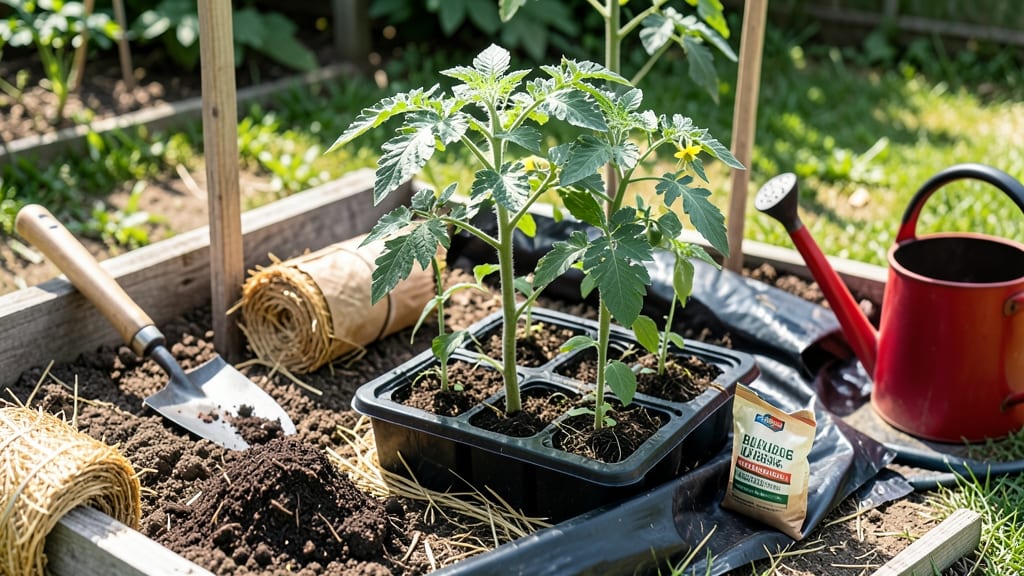
The 10B planting guide suggests planting seeds in late spring (April–May) or early summer (June) after the last frost, using well-draining soil mixed with compost, and spacing plants 12–18 inches apart for strong growth and airflow. Light mulching helps retain moisture and reduce weeds.
The 10B planting guide isn't just about timing—it's about creating the perfect conditions for your plants to thrive. 🌱 Many 10B varieties, like certain tomatoes or peppers, prefer warm soil to germinate properly, which is why waiting until after the last frost is critical.
I've found that amending soil with compost not only improves drainage but also introduces beneficial microbes that help roots establish faster. The spacing recommendation isn't arbitrary either: it prevents overcrowding, which can lead to fungal issues or stunted growth.
For those in cooler climates, you might need to adjust your timeline slightly—some gardeners use row covers to extend the season. The key is monitoring your local frost dates and soil temperatures, which should ideally stay above 60°F for consistent germination.
Mulching becomes especially important in hotter months, as it locks in moisture while keeping roots cool.
💡 In This Article
- Understanding 10B Plant Varieties and Their Ideal Growing Conditions
- Step-by-Step 10B Planting and Maintenance Calendar
Understanding 10B plant varieties and their ideal growing conditions
The "10B" designation refers to specific plant varieties bred for heat tolerance and adaptability to USDA Hardiness Zone 10b, where winters rarely drop below 30°F. These plants thrive in regions like southern California, Florida, or Hawaii, where consistent warmth allows year-round growth.
Unlike cooler-climate varieties, 10B plants often have thicker cuticles on their leaves to reduce water loss—a trait you'll notice when handling their waxy, slightly leathery foliage.
Sunlight needs vary by type, but most 10B varieties demand full sun (6-8+ hours daily). For example, tropical fruits like mangoes or citrus trees in this category can scorch if exposed to afternoon sun above 90°F, while vegetables like okra or eggplant actually prefer intense heat.
Soil pH preferences also differ: citrus thrives in slightly acidic soil (pH 6.0-7.0), while tomatoes (some 10B varieties) prefer neutral to slightly alkaline (pH 6.2-6.8). Testing your soil before planting can prevent nutrient deficiencies that show as yellowing leaves.
Climate zone adjustments are critical—even within 10B, microclimates matter. Coastal areas with humidity may need better airflow between plants to prevent fungal diseases like powdery mildew, while inland desert regions require extra mulch (3-4 inches) to retain moisture.
The 12-18 inch spacing recommendation helps balance these needs: closer spacing (12") works for bush varieties, while taller plants (like sunflowers) need 16-18 inches to avoid shading neighbors.
Frost sensitivity is the biggest regional variable. In northern 10B areas (e.g., Phoenix), rare 28°F dips can damage tender varieties, while southern Florida's 10B zones rarely see frost. This is why some gardeners use row covers or shade cloth (30-50% coverage) during unexpected cold snaps.
The key is matching your 10B variety to your specific last-frost date—check local weather records for the past 10 years to plan accurately.
Watering patterns also shift with 10B conditions. Drip irrigation works best here because overhead watering can spread fungal spores in humid climates. Most 10B plants need 1-1.5 inches of water weekly, but container-grown varieties dry out faster—check soil moisture by sticking your finger 1-2 inches deep.
Dark, crumbly soil means it's time to water; dry, clumping soil signals thirst. 💧
One often-overlooked factor is soil temperature. Seeds won't germinate until soil reaches 65-75°F, which is why late spring planting (May-June) works better than early spring in most 10B zones.
Use a soil thermometer to verify—cool soil delays germination by weeks. For container plants, black plastic mulch can raise soil temps by 5-10°F faster than bare ground.