
Planting
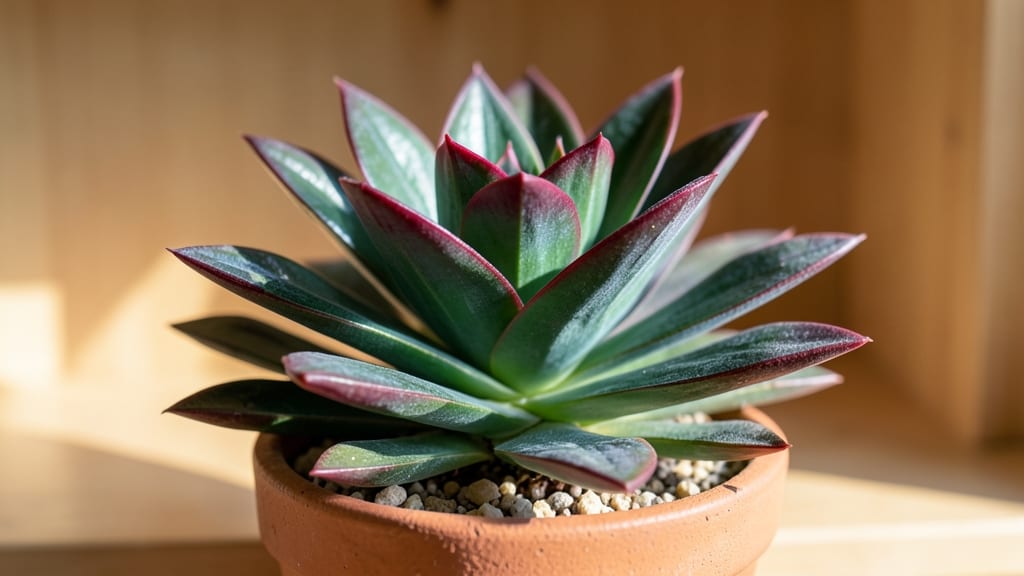
Your Senecio Angel Wings plant could be the showstopper of your collection—if you nail the care routine. 🌿 This striking succulent thrives with minimal fuss, but those dramatic winged leaves demand just the right balance of light, water, and space.
I’ve watched mine go from leggy and sad to a lush, cascading masterpiece in just a few months. The secret isn’t complicated: bright, indirect light keeps those leaves vibrant and compact, while letting the soil dry completely between waterings prevents the dreaded yellowing.
Overwatering is the #1 enemy, but under-watering turns the leaves dull—find that sweet spot, and your plant will reward you with fresh, crisp foliage year-round. Once you’ve got the basics down, you’ll notice new growth popping up with those signature angel-wing patterns—thicker at the base, tapering to delicate edges.
Prune back leggy stems in spring to encourage bushier growth, and you’ll have a plant that looks like it belongs in a botanical garden, not just your windowsill. For beginners, this is a foolproof choice—tough enough to survive neglect but rewarding enough to feel like a pro.
Even experienced growers love it for its versatility in containers, hanging baskets, or trailing down shelves. Let’s get those leaves looking their best!
📚 In This Guide
- What you need
- Instructions
- Tips and common mistakes
- Wrapping up and next steps
What you need
- ● Pot: A well-draining pot (4–6 inches in diameter) with drainage holes. Terracotta or ceramic works best to prevent root rot.
- ● Potting Mix: A cactus/succulent mix (avoid regular soil—it retains too much moisture!). Add perlite or pumice (20–30% of the mix) for extra aeration.
- ● Senecio Angel Wings Plant: 1 healthy cutting or mature plant (ensure it has no signs of pests or disease).
- ● Trowel or spoon: For planting (a small, clean tool works best).
- ○ Gloves (optional): To protect your hands from sharp succulent edges.
- ● Spray bottle: For misting (if propagating from cuttings).
- ● Plant label: To track care notes (because even drama queens need reminders!).
- ● 🌡️ Temperature: Ensure your space stays between 60–80°F (15–27°C)—Angel Wings hates cold drafts!
- ● ✨ Lighting: A south- or west-facing window (or grow lights for 6–8 hours/day) keeps those wings vibrant.
- ● 💧 Watering Setup: A small watering can with a narrow spout prevents overwatering (think drought-tolerant, not thirsty!).
Step-by-Step guide to growing Senecio Angel Wings
Here's how to keep your Senecio Angel Wings thriving with vibrant, wing-like foliage.
☀️ Step 1: Position for Bright, Indirect Light
Senecio Angel Wings crave bright, indirect light—think east or west-facing windows, or a few feet back from a south window. Direct midday sun can scorch those dramatic leaves, especially in summer. You'll know it's getting too much light when the foliage starts turning yellow or crispy at the edges.
If your space only offers low light, don't worry—this plant tolerates it better than many succulents. Just expect slower growth and less vibrant coloration. Rotate the pot quarter turn weekly so all sides get even exposure. You'll notice the plant growing toward the light, so adjust as needed.
💧 Step 2: Water When Soil Dries Completely
This is where Senecio Angel Wings differ from typical succulents—it's more forgiving with water. Stick your finger 1-2 inches into the soil; when it feels completely dry, give it a thorough watering. Overwatering causes root rot, so always ensure the pot has drainage holes and empty the saucer after 10 minutes.
In winter, when growth slows, you might only need to water every 3-4 weeks. Look for wrinkled leaves as a signal it's thirsty, but don't water until the soil is bone dry. The key is patience—this plant stores water better than it looks.
🪴 Step 3: Use Well-Draining Soil and a Slightly Larger Pot
Mix cactus/succulent soil with 20% perlite or pumice to create the perfect airy medium. Senecio Angel Wings hate soggy roots, so avoid regular potting mix. When repotting, choose a container only 1-2 inches wider than the current one—these plants prefer being slightly root-bound.
Terracotta pots work beautifully as they breathe, but any container with drainage works. If you notice roots circling the bottom or leaves yellowing, it's time to repot. Spring is the best time to refresh the soil and give it a slightly larger home.
✂️ Step 4: Prune and Propagate for Fullness
Pinch back leggy stems to encourage bushier growth. Use clean scissors to snip just above a leaf node, and you'll soon see new branches forming. This is also how you propagate—simply place cuttings in dry soil for a few days to callus, then plant in fresh mix.
Remove any yellow or brown leaves immediately to keep the plant looking its best. Senecio Angel Wings are fast growers, so regular pruning keeps them compact and encourages those signature wing-like leaves. Propagating is easy, so you can share cuttings with friends or expand your collection.
🌿 Step 5: Fertilize Lightly During Growing Season
Use a balanced, water-soluble fertilizer diluted to half strength every 4-6 weeks during spring and summer. This plant doesn't need much food, so over-fertilizing leads to weak growth and salt buildup. Always water thoroughly before and after fertilizing to prevent root burn.
In fall and winter, let it rest completely—no fertilizer needed. You'll see the difference in leaf quality when you resume feeding in spring. The goal is to support growth without encouraging rapid, weak stems that can't hold up those dramatic leaves.
Tips & tricks for bold Senecio Angel Wings foliage
Here's what nobody tells you about keeping those stunning wing-like leaves looking their absolute best.
Light Adjustment Insight: In Step 1, if your east-facing window gets intense morning sun, move your plant back a foot after 10 AM to prevent leaf burn. I learned this the hard way after watching crispy edges develop on my first plant—now I use a sheer curtain for those peak sun hours. The goal is that soft, diffused glow that keeps those wings looking vibrant without stressing the plant.
Watering Wisdom: The 10-minute saucer drain time in Step 2 is non-negotiable. I've seen too many people skip this and end up with root rot. Pro tip: Use a small plate or tray that's just big enough to catch excess water—this prevents the plant from sitting in moisture longer than necessary. In winter, I actually set a reminder in my phone for those 3-4 week watering intervals to avoid forgetting.
Soil Mix Secret: When creating that cactus/succulent blend in Step 3, add an extra 10% coarse sand to improve drainage. I use horticultural sand, not playground sand—it's specifically designed to prevent compaction. This extra drainage helps prevent those dreaded soggy roots while still keeping the soil moist enough for your plant's needs. The result? Leaves that stay plump and those signature wing shapes stay pronounced.
Pruning Payoff: In Step 4, when you're pinching back those leggy stems, make your cuts just above a leaf node at a 45-degree angle. This creates a larger surface area for new growth to emerge. I've found that plants pruned this way develop fuller, bushier growth with those dramatic wing leaves appearing more frequently. And always use clean scissors—dirty blades can introduce bacteria that cause leaf spots.
Pro Tips for Senecio Angel Wings Plant Care
- Here's what nobody tells you about keeping those stunning wing-like leaves looking their absolute best.
- Light Adjustment Insight: In Step 1, if your east-facing window gets intense morning sun, move your plant back a foot...
- Watering Wisdom: The 10-minute saucer drain time in Step 2 is non-negotiable. I've seen too many people skip this and...
Frequently asked questions
Got questions about keeping your Senecio Angel Wings thriving? You’re not alone—this striking plant has quirks! Here are answers to the most common concerns to help you grow with confidence.
How often should I water my Senecio Angel Wings?
Water your Senecio Angel Wings only when the top 1–2 inches of soil feel completely dry. Overwatering is the #1 killer—these succulents store water in their leaves! Aim for every 2–3 weeks in spring/summer and monthly in winter. Let excess water drain away to avoid root rot.
Can Senecio Angel Wings survive winter indoors?
Yes! Place your plant near a bright window (south or west-facing is ideal) where temps stay between 50–70°F (10–21°C). Avoid drafts, and reduce watering since growth slows. If leaves pucker or turn dull, it’s likely too cold—move it closer to warmth. A grow light helps if natural light is scarce.
What do yellow or brown leaves mean?
Yellow leaves usually signal overwatering or poor drainage. Brown, crispy edges? That’s sunburn or underwatering. Check soil moisture and light exposure: Senecio Angel Wings loves bright, indirect light. Trim damaged leaves at the base to encourage new growth.
How do I propagate Senecio Angel Wings?
Propagation is easy! Snip healthy leaves at the base and let them callus for 1–2 days. Place them on well-draining soil (cactus mix works) and mist lightly. Keep in bright, indirect light and avoid watering for 2 weeks. Roots should form in 3–4 weeks! Share your new plants with friends—everyone loves free succulents.
Are there non-toxic alternatives for pets?
If you have curious pets, Senecio Angel Wings is mildly toxic (can cause stomach upset if ingested). For safer options, try Haworthia or Echeveria—both are pet-friendly and equally stunning. Always supervise pets around plants, though!
Wrapping up and next steps
Caring for your Senecio Angel Wings is all about embracing its bold, architectural charm with confidence! With the right balance of light, water, and well-draining soil, this striking plant will reward you with vibrant foliage and minimal fuss. 🌿✨
Now that you’re equipped with the essentials, why not level up your plant collection? Try pairing your Angel Wings with complementary succulents or experiment with creative container styling. Happy gardening—your green space is about to get even more dramatic! 🌟