
Planting
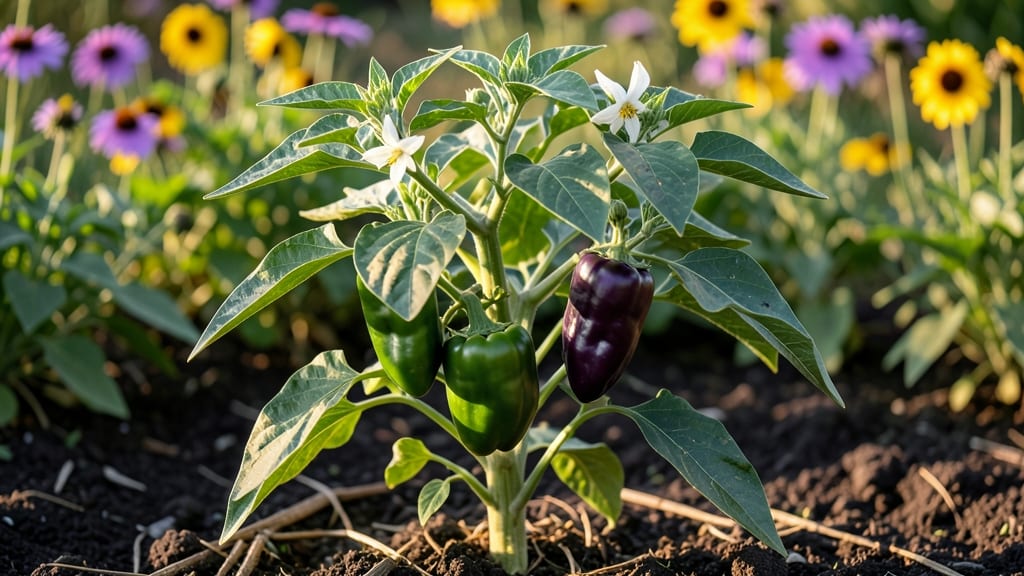
Understanding the poblano plant stages is the key to growing peppers that thrive from seed to harvest 🌱 — and skipping even one step can leave you with stunted plants or bitter fruit.
Picture this: you’ve just planted your poblano seeds, but you’re not sure what to expect next. Will they sprout in a week? How do you know when to transplant?
And what happens when those first flowers appear? These questions are exactly why I put together this stage-by-stage guide, so you can track your poblano’s progress with confidence.
From the moment those first green shoots break through the soil to the day you pick your first ripe pepper, each phase has its own care requirements.
You’ll learn how to spot leggy seedlings before they become a problem, when to fertilize for maximum yield, and how to tell if your plant is stressed before it’s too late.
By the end, you’ll have a clear timeline of what to watch for, what to do, and when—so you can enjoy a bumper crop of flavorful poblanos all season long.
Poblano pepper growth stages: seed to seedling development timeline
Watching poblano pepper seeds transform into sturdy seedlings is one of the most exciting parts of gardening. This 8-12 week window sets the foundation for your entire harvest, so understanding each stage's needs is crucial.
From the first seedling sprouts to the transplant-ready plant, temperature, light, and moisture all play critical roles in ensuring strong, healthy growth.
I’ve grown poblano peppers for years, and the key to success lies in paying close attention during these early weeks. Germination typically takes 7-14 days, but proper soil temperature and moisture can speed this up dramatically.
Once sprouted, seedlings need consistent care to prevent common pitfalls like damping-off or leggy growth. Let’s break down each phase so you can nurture your poblano plants with confidence.
🌱 Germination Phase (Days 1-14): This is where your journey begins. Poblano seeds need warmth (70-85°F) and moisture to sprout. I recommend using a seedling heat mat if your home stays cool. Keep soil consistently damp but not soggy—overwatering can suffocate seeds. Within 5-10 days, you’ll see tiny green sprouts pushing through the soil.
🌿 Early Seedling Phase (Weeks 2-4): Once sprouted, your seedlings need 12-16 hours of light daily. A grow light is ideal if natural light is limited. During this phase, focus on gentle watering at soil level to avoid disturbing delicate roots. Thin seedlings to 2-3 inches apart if overcrowded—this prevents competition for nutrients.
Here’s a quick reference for your poblano seedlings’ first critical weeks:
At the 4-week mark, your poblano seedlings should have 2-3 true leaves (not just the initial seed leaves). This is when you’ll start seeing their distinct pepper plant shape.
If your seedlings are stretching toward the light, it’s time to supplement with a grow light or move them closer to a sunny window. I’ve found that LED grow lights work best for preventing leggy growth.
By week 6, your seedlings will be ready for hardening off, a critical step before transplanting. Gradually expose them to outdoor conditions over 5-7 days, starting with 1-2 hours of sunlight and increasing daily.
This process strengthens their cell walls and prepares them for the garden. I always harden off my seedlings in a shaded area first to avoid sunburn.
Transplanting typically happens when seedlings are 6-8 weeks old and have 4-6 true leaves. Choose a warm, sunny spot with well-draining soil—poblano peppers hate soggy roots.
Plant them deeper than their seedling stage to encourage stronger root systems. After transplanting, water deeply to help them establish in their new home.
One common mistake I see is over-fertilizing at this stage. Young poblano plants are sensitive to high nitrogen, which can lead to leafy growth at the expense of roots. Instead, use a balanced fertilizer (5-10-10) sparingly—just enough to support their early development without overwhelming them.
By the time your poblano seedlings reach 3-4 inches tall, they’re well on their way to becoming productive plants. With proper care during these early weeks, you’ll set the stage for healthy flowering and fruit set later in the season.
Keep an eye out for pests like aphids and treat them early with neem oil or
Key milestones in mature poblano plant growth: flowering to harvest
Once your poblano pepper plants have established strong roots and reached 18-24 inches tall, they’ll shift into their most productive phase—flowering and fruiting.
This is where your efforts pay off, but it also demands close attention to nutrient needs, pollination support, and environmental conditions to ensure a bountiful harvest. Missing these milestones can lead to stunted growth, poor fruit set, or even blossom drop.
The transition from vegetative growth to flowering typically occurs 60-75 days after transplanting, depending on your climate zone and growing conditions. During this stage, your poblano plants will develop white or pale green flowers that eventually give way to those prized dark green peppers.
Understanding each step—from bud formation to fruit ripening—helps you intervene when problems arise and optimize flavor and yield.
Small white buds appear at leaf junctions. Ensure 6-8 hours of sunlight and balanced fertilization (5-10-10 NPK) to support blooms.
Flowers open in morning hours. Gently shake plants or use a small brush to aid cross-pollination if indoors.
Small green peppers form. Reduce nitrogen fertilizer to prevent leafy growth at the expense of fruit.
Peppers turn dark green to black. Harvest when firm and glossy for maximum flavor.
During flower formation, watch for yellowing leaves or dropping buds, which often signal nutrient deficiencies or temperature stress. Poblano plants thrive in 70-85°F temperatures—any hotter, and they may drop flowers.
If you notice blossom end rot (black spots on peppers), increase calcium levels in your soil with crushed eggshells or lime.
Once fruit sets, focus on consistent moisture—water deeply 1-2 inches per week—but avoid wetting foliage to prevent fungal diseases like powdery mildew. Mulch around the base with straw or grass clippings to retain soil moisture and regulate temperature.
This stage is also critical for pruning: remove any suctioning shoots or yellowing leaves to redirect energy to fruit production.
As peppers ripen, their flavor intensifies, but timing is key. Harvest dark green to black poblano peppers when they’re 3-4 inches long and firm to the touch. For milder heat, pick earlier; for richer flavor, wait until they’re fully mature.
Store harvested peppers in a cool, dark place for up to 2 weeks, or blanch and freeze for long-term use.
Pro tip: Hand-pollinate poblano flowers in humid or rainy climates to boost fruit set. Use a small paintbrush to transfer pollen between flowers, ensuring a higher yield. With the right care, a single mature poblano plant can produce 10-20 peppers per season—plenty for stuffing, roasting, or drying!