
Planting
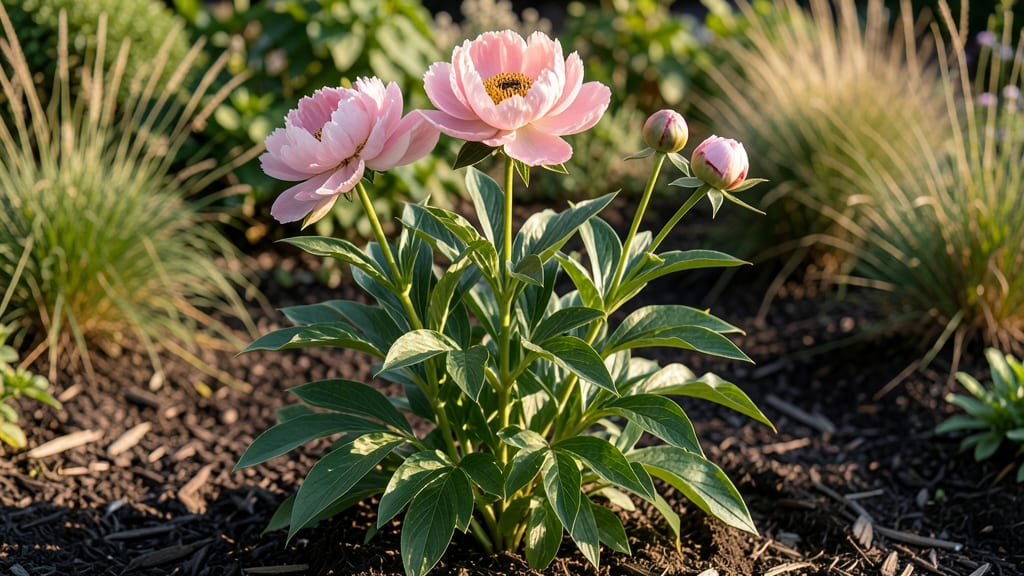
Peonies in Zone 5 thrive with strategic planting and winter protection: plant bare-root varieties in early fall (September-October) or potted peonies in early spring (March-April), ensuring full sun exposure and well-draining soil. Mulch heavily in winter to protect roots from extreme cold below 0°F (-18°C).
Zone 5's cold winters can challenge peonies, but their deep root systems and natural dormancy make them surprisingly resilient. 🌱 The key is planting at the right time—fall gives roots time to establish before winter, while spring planting works for container-grown varieties.
I've found that adding 3-4 inches of organic mulch (like straw or shredded leaves) after the first hard frost creates a protective barrier that can raise soil temperatures by up to 10°F. For extra insurance, choose heritage cultivars like 'Sarah Bernhardt' or 'Bowl of Beauty', which have proven cold tolerance down to -20°F.
Beyond winter prep, Zone 5 gardeners should focus on soil health—amending heavy clay with compost improves drainage while retaining moisture. Proper spacing (3-4 feet between plants) prevents overcrowding, which weakens stems and reduces bloom quality.
Remember, peonies reward patience: while they may take 2-3 years to establish fully, their long-lived roots can produce stunning flowers for decades with the right care.
💡 In This Article
- Peony Cold Hardiness in Zone 5: Survival Strategies
- Zone 5 Peony Planting Calendar and Soil Prep Tips
Peony cold hardiness in Zone 5: survival strategies
Peonies survive Zone 5 winters thanks to their deep root systems, which can extend 2-3 feet below the soil surface. This depth allows them to access moisture and nutrients even when surface soil freezes solid.
The roots naturally enter dormancy when temperatures drop below 40°F (4°C), slowing metabolic processes to conserve energy. What's fascinating is how these roots produce a natural antifreeze-like compound called proline, which protects cell membranes from ice crystal damage during prolonged cold snaps.
The real magic happens in how peonies handle temperature fluctuations. While young plants may struggle with sudden drops below -10°F (-23°C), mature peonies (3+ years old) can tolerate -20°F (-29°C) or lower.
This resilience explains why heritage varieties like 'Sarah Bernhardt' (pink blooms) and 'Bowl of Beauty' (deep red) thrive in Zone 5—their genetic makeup includes thicker root crowns that store more energy reserves. 🌟 The crown itself sits just below the soil line, protected by the insulating layer of mulch and snow that accumulates above it.
Mulching isn't just about insulation—it's a survival strategy that mimics natural forest floor conditions. A 4-inch layer of organic mulch (like straw or shredded leaves) can raise soil temperatures by 5-10°F during winter, while also preventing soil heaving—a dangerous phenomenon where freezing/thawing cycles push roots out of the ground.
For extra protection, I've seen gardeners use a 12-inch layer of straw over the mulch in the harshest winters, which can extend cold tolerance by another 5°F.
Here's what most gardeners miss: peonies need two critical temperature thresholds to bloom successfully. First, they require 60-80 days below 40°F (4°C) to break dormancy properly. Second, they need 10-14 days of temperatures between 50-60°F (10-15°C) in early spring to stimulate bud growth.
This explains why peonies planted in Zone 5 might skip flowering their first year—they're still establishing these temperature requirements.
For visual identification, frost-tolerant cultivars have thicker, more woody stems that appear darker green than less hardy varieties. The foliage also tends to be wider and more robust, with leaves that stay green longer into fall.
When selecting peonies, look for labels specifying "Zone 3-8" hardiness—these are your safest bets for Zone 5 gardens where winter temperatures can dip unpredictably.
One advanced tip: If you're in the northern edge of Zone 5 (where winters approach Zone 4), consider planting peonies in raised beds filled with a mix of 50% compost, 30% garden soil, and 20% perlite.
This improves drainage while allowing for deeper root establishment—critical for surviving -15°F (-26°C) temperatures. The raised bed also warms up faster in spring, giving peonies that extra boost to break dormancy.