
Planting
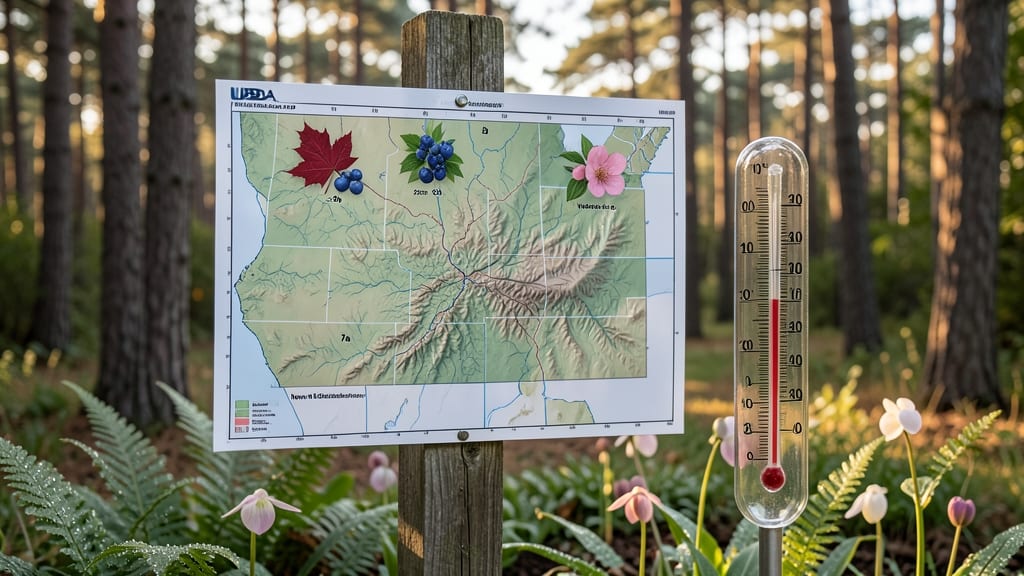
New England's hardiness zones range from Zone 3 in northern Maine to Zone 7 along coastal areas, with inland regions typically falling in Zones 4-5. These zones reflect winter lows that dictate which plants can survive year-round.
Understanding these zones helps gardeners choose plants that match their local climate. For example, Zone 3's -40°F winters mean only the hardiest species like conifers or Russian sage will thrive, while Zone 7's 0°F minimum allows for more tender perennials like lavender.
Coastal areas often see milder winters due to ocean influence, creating microclimates where Zone 6 plants might survive even in inland Zone 5 territory. 🌿 I always recommend checking your specific zip code on the USDA map—even a 5-mile elevation change can shift you into a different zone!
Zone boundaries also explain why some plants struggle in certain regions. A Zone 4 rhododendron might survive in Zone 5 but risk winter dieback in colder pockets. The key is selecting species rated for your exact zone or using seasonal protection like mulch or frost blankets for borderline plants.
💡 In This Article
- How USDA Zones Define New England’s Plant Survival
- Best Plants for Each New England Hardiness Zone
How USDA zones define New England’s plant survival
The USDA Plant Hardiness Zone Map divides New England into distinct temperature-based regions, where each zone represents a 10°F increment in average annual minimum winter temperatures. Zone 3 (northern Maine) endures -40°F to -30°F, while Zone 7 (coastal Connecticut) rarely drops below 0°F.
These boundaries aren't arbitrary—they reflect 30 years of climate data, including critical frost dates that determine when plants can safely emerge from dormancy each spring. 🌱
New England's geography creates dramatic zone variations even within short distances. For example, Portland, Maine (Zone 5b) sits just 60 miles from Bangor (Zone 4b), with inland areas often 2-5°F colder than coastal spots due to ocean moderation.
Elevation plays a major role too—every 1,000 feet up in elevation typically drops you one full zone. This explains why Vermont's Green Mountains (Zone 4) can have microclimates where Zone 3 plants like Siberian larch thrive alongside Zone 5 favorites like peonies.
Zone accuracy matters because plant hardiness ratings (the numbers on seed packets) correlate directly with these temperature ranges. A Zone 5 hosta might survive in Zone 6, but it risks winter burn in Zone 4's harsher conditions.
The USDA map's 10°F increments might seem broad, but gardeners often refine selections by checking the "a" or "b" subdivisions (e.g., Zone 5a vs. 5b), which represent 5°F differences in minimum temperatures.
Microclimates add another layer of complexity. Urban areas can be 2-5°F warmer than rural zones due to concrete heat retention, while south-facing slopes receive 200-300 more hours of winter sun than north-facing ones.
This is why a Zone 5 garden might successfully grow Zone 6 plants like butterfly bush if positioned against a sunny wall. The key is observing your specific site's frost patterns over several years—sometimes a single night of -25°F can devastate plants rated for Zone 6.
For practical application, I recommend using the USDA Interactive Map to pinpoint your exact zone, then cross-reference with local nursery recommendations. Many New England gardeners also use the "last frost date" (typically late May in Zone 4, early May in Zone 6) to time plantings.
The science shows that even a 1°F difference in winter low can mean the difference between a thriving garden and one that struggles through winter. 🌿
Advanced gardeners often push zone limits using techniques like cold frames (extending Zone 5 plants into Zone 4) or mulching deeply (adding 4-6 inches of straw to protect roots).
The USDA zones provide a baseline, but local conditions always dictate the final outcome—making every New England garden a unique experiment in climate adaptation.