
Planting
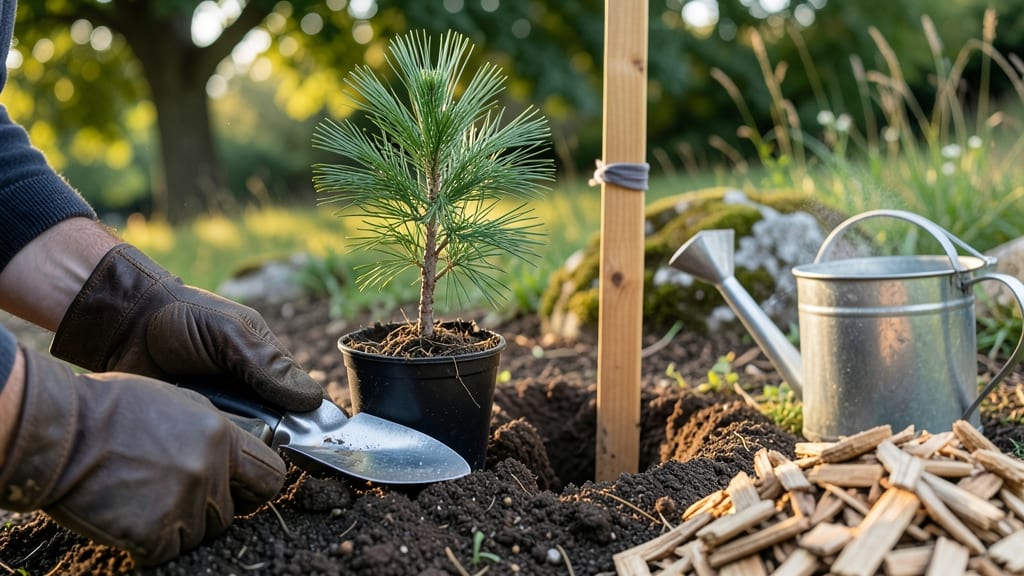
Planting a sequoia tree means you're investing in a living monument that could outlive you by centuries. 🌲 These giants need more than just good intentions—they demand well-draining soil, 100+ feet of growing space, and a climate that mimics their native California mountains.
My first attempt nearly drowned the roots, but I learned the hard way that sequoias hate soggy feet. The right spot makes all the difference: full sun, elevated ground, and protection from winter winds.
Dig a hole twice as wide as the root ball but no deeper—sequoias resent being buried too deep. Amend heavy clay soil with compost and grit to mimic their natural forest floor, where roots breathe freely.
After planting, water deeply but never let it pool—sequoias rot faster than they grow in waterlogged soil. Mulch heavily to keep roots cool, and resist the urge to fertilize for the first year. Within months, you’ll see new growth, but true strength comes from patience and proper care.
These trees aren’t just plants—they’re generational legacies. Give them room, good drainage, and time, and you’ll have a towering sentinel for future generations to admire. Here’s exactly how to get started right.
📚 In This Guide
- What you need
- Instructions
- Tips and common mistakes
- Wrapping up and next steps
What you need
- ● Sequoia sapling: A 1–3-year-old tree (5–10 ft tall) from a reputable nursery. Coast redwood (Sequoia sempervirens) or giant sequoia (Sequoiadendron giganteum) are best for planting.
- ● Shovel: A heavy-duty digging spade (18–24 inches wide) for breaking ground.
- ● Garden gloves: Durable, waterproof gloves to protect your hands from roots and soil.
- ● Mulch: 6–12 inches of wood chips or bark (avoid cedar—it’s toxic!).
- ● Watering can or hose: With a gentle spray nozzle (sequoias hate soggy roots!).
- ○ Stake & ties (optional but recommended): 3–4 ft wooden stakes + soft fabric ties to support young trees in windy areas.
- ● Soil test kit: Ensures your soil’s pH (ideal: 6.0–7.0) and nutrients are right for sequoias.
- ● Mycorrhizal fungi: Boosts root growth—mix into planting hole for faster establishment.
- ● Tree guard: A wire mesh cylinder (4–5 ft tall) to protect from deer or curious critters.
- ● Drip irrigation system: For consistent moisture (sequoias love deep, infrequent watering).
- ● Pruning shears: For trimming dead branches as your tree grows.
Step-by-step instructions for planting a sequoia tree
Planting a sequoia isn’t just about digging a hole—it’s about giving this giant a strong start.
🌱 Step 1: Choose the Right Location and Prepare the Site
Sequoias need space—at least 30 feet between trees for their massive roots and canopies. Pick a spot with full sun (6+ hours daily) and well-draining soil. Avoid low areas where water pools, as sequoias hate soggy roots. Test your soil: dig a 12-inch hole and check if water drains within 2-3 hours. If it pools, amend with 2-3 inches of compost and sand to improve drainage.
I always clear the area of weeds and rocks first—sequoias compete poorly with invasive plants in their early years. Use a rake to loosen the top 6 inches of soil in a 3-foot diameter circle around the planting spot. This gives roots room to spread without fighting compacted earth. Real talk: sequoias grow slow but live for centuries, so pick a location where they’ll have room to thrive for generations.
🌿 Step 2: Dig the Planting Hole and Acclimate the Tree
Dig a hole twice as wide as the root ball but no deeper—sequoias dislike being buried too deep, which can suffocate roots. The top of the root ball should sit 1-2 inches above ground level to prevent waterlogging. Gently loosen the root ball’s edges with your fingers if it’s tightly bound, but don’t tear roots. This encourages them to spread into the surrounding soil faster.
Before planting, let the root ball soak in a bucket of lukewarm water for 15-20 minutes. This hydrates the roots and reduces transplant shock. While it soaks, mix a handful of mycorrhizal fungi (if available) into the backfill soil—this helps roots establish symbiotic relationships for better nutrient uptake. Here’s the thing: sequoias are drought-tolerant once established, but their first year is critical. Don’t skip this step.
🪴 Step 3: Plant the Sequoia and Backfill Carefully
Lift the tree from the bucket and place it in the hole, centering it so the root ball sits straight. The trunk should face the direction you want it to grow—sequoias rarely need staking but may lean if planted crooked. Fill the hole with the amended soil, tamping lightly every 2 inches to remove air pockets. Water deeply as you go to settle the soil around roots.
Stop when the hole is half full, then water again to eliminate air gaps. Finish backfilling and create a 2-inch-high berm around the edges to hold water during irrigation. This mimics natural conditions where sequoias grow in slightly elevated areas. Pat the soil down gently—you’re not compacting, just removing loose pockets. If the soil settles too much, add a bit more to keep the root ball level.
💧 Step 4: Water Deeply and Mulch for Retention
Water the tree immediately after planting with 5 gallons of water, enough to soak the root ball and surrounding soil to 12 inches deep. Check by digging a small hole nearby—if the soil is damp at that depth, you’re good. Sequoias need 1 inch of water weekly for the first year, but let the top 2 inches of soil dry between waterings to prevent rot. Overwatering is the #1 killer of young sequoias.
Spread 3-4 inches of mulch (wood chips or bark) in the bermed circle, keeping it 6 inches away from the trunk to prevent rot. Mulch conserves moisture and regulates soil temperature, which sequoias appreciate. I always use untreated wood mulch—sequoias are sensitive to chemicals. Replenish mulch annually to maintain the 3-inch layer. This step is non-negotiable: mulch protects roots from temperature swings and reduces weeds.
☀️ Step 5: Protect and Monitor for the First Year
Sequoias are tough, but their first winter can be critical. In cold climates, wrap the trunk with burlap or tree guard to protect it from frost cracks and animal damage. Avoid plastic—it traps moisture and causes rot. For the first year, avoid fertilizing unless soil tests show deficiencies. Sequoias grow slowly and don’t need extra nutrients to establish. Instead, focus on watering consistently and monitoring for pests like bark beetles or aphids.
Watch for signs of stress: yellowing needles or wilting suggest overwatering or poor drainage, while stunted growth may mean underwatering. Sequoias are slow to show problems, so act quickly if you notice anything off. After the first year, they’ll start putting energy into root and trunk growth. Here’s the payoff: with proper care, your sequoia could live for centuries—just like the ancient giants in California’s forests.
Tips & tricks for planting a sequoia tree
Here's what I've learned from years of planting these ancient giants—these simple tips make all the difference for long-term success.
Site Selection is Everything: When choosing your planting spot, think long-term. Sequoias grow to 200 feet tall and spread 30 feet wide—make sure your location has room for their massive canopy and root system. I always check utility lines and property boundaries first, because you don't want to plant near power lines or foundations. The 6+ hours of sun requirement is non-negotiable, so avoid shaded areas or spots where nearby trees will cast shadows as your sequoia grows.
Soil Test Before You Dig: That 2-3 hour drainage test in Step 1 is crucial. If water pools after 2 hours, you're dealing with heavy clay soil. In these cases, I recommend digging the hole 12 inches deeper than the root ball and mixing in 3-4 inches of coarse sand with the 2-3 inches of compost to create a proper drainage layer. This mimics the well-draining volcanic soil where wild sequoias thrive in California's Sierra Nevada mountains.
Root Ball Prep Makes a Difference: Don't skip the 15-20 minute water soak before planting—this is where most transplant shock happens. I take it a step further by trimming any circling roots I find wrapped around the root ball. These roots can strangle the tree as it grows. Also, if your tree arrives with a plastic pot, score the sides with a knife to encourage roots to grow outward rather than circling the pot. This simple step can double your tree's survival rate in the first year.
Watering Wisdom: The 5 gallons of water immediately after planting is just the beginning. For the first month, I water every 3-4 days rather than sticking to the weekly schedule. This helps establish the root system before it has to rely on rainfall. Use a moisture meter to check that the soil stays consistently moist to 12 inches deep—that's where most roots will establish in the first year. Overwatering is just as bad as underwatering, so always let the top 2 inches of soil dry between waterings.
Pro Tips for Plant A Sequoia Tree
- Here's what I've learned from years of planting these ancient giants—these simple tips make all the difference for lo...
- Site Selection is Everything: When choosing your planting spot, think long-term. Sequoias grow to 200 feet tall and s...
- Soil Test Before You Dig: That 2-3 hour drainage test in Step 1 is crucial. If water pools after 2 hours, you're deal...
Frequently asked questions
Got questions about growing your own giant? Here are answers to the most common concerns—so you can plant with confidence!
Can I plant a sequoia tree in my backyard?
A backyard sequoia is possible, but space and climate matter! These trees need at least 40 feet of width and thrive in USDA zones 5-8 with well-draining soil and full sun. If your yard is small, consider a dwarf variety (like Sequoia sempervirens 'Pendula') or a container-grown specimen.
When is the best time to plant a sequoia tree?
Plant in early spring or fall when temperatures are mild (50–70°F). Avoid extreme heat or frost—sequoias are sensitive to transplant shock. If buying bare-root, plant immediately; container-grown trees can wait a few weeks. Pro tip: Water deeply before planting to reduce stress!
How much water does a sequoia tree need after planting?
Newly planted sequoias need 1–2 inches of water weekly for the first year. After establishment, they’re drought-tolerant but still require deep watering every 2–3 weeks during dry spells. Overwatering is worse—ensure soil drains well to prevent root rot.
What if my sequoia isn’t growing? Troubleshooting tips.
Yellow leaves?
Likely overwatering or poor drainage. Check soil moisture and amend with compost.
Stunted growth?
Could be nutrient deficiency (try a balanced fertilizer) or too much shade. Sequoias need 6+ hours of sun daily.
Brown needles?
Dry air or pests (like aphids). Prune damaged branches and spray with neem oil if needed.
Are there faster-growing alternatives to giant sequoias?
If you want a fast-growing evergreen with less space needs, try:
- Redwood (Sequoia sempervirens) – Grows 2–3 ft/year but needs more room.
- Douglas Fir (Pseudotsuga menziesii) – Hardy and faster-growing (1–2 ft/year).
- Leyland Cypress (× Cupressocyparis leylandii) – Hybrid with rapid growth (3–5 ft/year) for privacy screens.
Note: None match a sequoia’s majesty—but these are great for smaller yards!
Wrapping up and next steps
Planting a sequoia tree is a rewarding journey that connects you to nature’s giants—literally! 🌳 By following these five simple steps, you’ve learned how to nurture a future forest monarch, from selecting the perfect spot to providing the right care.
Remember, patience is key; these majestic trees grow slowly but leave a lasting legacy.
Now that you’re ready to plant, take the next step—mark your calendar for the best planting season (fall or early spring) and gather your supplies. Your sequoia’s future starts with you! 🌱