
Planting
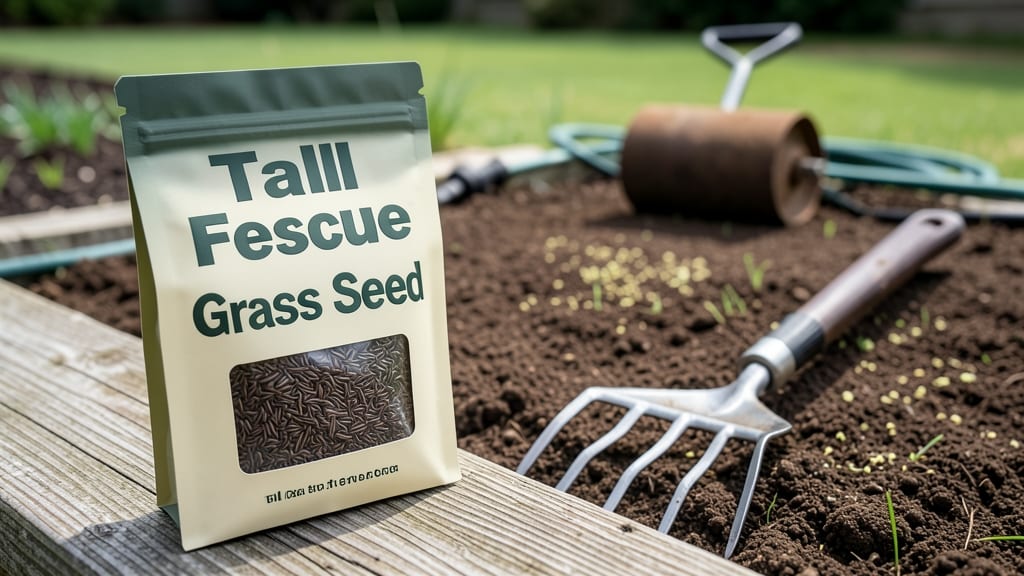
Sowing grass seed the right way means lush, thick lawns—not patchy, weak growth that fades in summer. ✨ I’ve learned that even coverage and moisture retention are the secret to a lawn that makes neighbors jealous, not the expensive seed brands or fancy tools.
The key starts with soil prep: till or aerate to break up compaction, then rake smooth so seeds land on bare earth, not weeds or debris. Use a drop spreader for precision—walk in a crisscross pattern to avoid thick or thin spots.
Lightly scratch seeds into soil (¼ inch deep max) with a rake, then water gently but thoroughly to settle them without washing away. After sowing, keep soil consistently moist for the first 2-3 weeks—like a wrung-out sponge. Mulch with straw to lock in moisture and shield seeds from drying winds.
You’ll see sprouts in 7-21 days, depending on grass type and weather, but patience here pays off in a lawn that stays green through droughts. This method works for new lawns, patch repairs, or overseeding—just adjust seed rates for your grass type.
The biggest mistake? Skimping on water or sowing too thickly. Stick with this, and you’ll have a lawn that’s disease-resistant, weed-competitive, and shockingly lush by season’s end.
📚 In This Guide
- What you need
- Instructions
- Tips and common mistakes
- Wrapping up and next steps
What you need
- ● High-quality grass seed: Choose a blend suited to your climate and sunlight (e.g., Kentucky Bluegrass for cool regions or Bermuda for warm zones). Quantity: ~10–20 lbs per 1,000 sq. ft. (check seed bag for exact rates).
- ● Lawn rake: A bendable-tine rake (for seed-to-soil contact) or a stiff-bristle rake (for prepping soil).
- ● Spreaders: Broadcast spreader: For even coverage (rent or buy for ~$50–$150).
- ○ Drop spreader: For precision (optional but ideal for small areas).
- ● Topsoil or compost: Lightweight mix (1–2 inches) to improve seed contact. Quantity: ~1 cubic yard per 100 sq. ft.
- ● Water source: Hose with a gentle spray nozzle or a soaker hose (to avoid displacing seed).
- ○ Straw or netting: Optional but helpful to retain moisture and protect seed (apply lightly after sowing).
- ● Prepped soil: Clear debris, loosen top 2–3 inches, and level uneven spots.
- ● Weather check: Aim for 50–75°F soil temps and a 5–7 day dry forecast post-planting.
- ● Time commitment: Plan for 10–15 minutes per 500 sq. ft. for sowing + daily watering for 2–3 weeks.
Step-by-Step guide to sowing grass seed for perfect coverage
Here’s how I guarantee even seed distribution and moisture retention—no clumps or bare spots.
🌱 Step 1: Prepare the Soil for Optimal Seed Contact
Rake the soil surface until it’s smooth and free of debris—any rocks or clumps will create uneven germination. I use a stiff-bristled rake to create a fine, textured bed, which helps seeds make direct contact with the soil. This step is critical because seeds need consistent moisture and soil contact to sprout evenly.
Test the soil’s moisture by squeezing a handful—it should hold together but not feel soggy. If it’s too dry, water lightly first and let it absorb completely. The ideal soil feels like a damp sponge, ready to cradle seeds without washing them away.
💧 Step 2: Spread Seed Evenly for Uniform Germination
Divide the seed into four equal portions to avoid overcrowding. I start by walking in one direction, scattering half the seed with my hand, then turn 90 degrees and repeat. This cross-pattern ensures no gaps or thick patches. For larger areas, use a broadcast spreader set to the correct seed rate—too much seed leads to weak, tangled grass.
Lightly rake the area again with a leaf rake to press seeds into the soil just enough so they don’t blow away. You’ll see a faint, even layer of seed—this is your goal. If you spot bare spots, sprinkle a few seeds by hand and cover them gently.
☀️ Step 3: Lock in Moisture Without Overwatering
Water immediately after sowing with a fine mist or sprinkler set to a gentle spray. The soil should stay damp but not saturated—you want seeds to absorb moisture without floating away. I check by pressing my finger into the soil; it should feel moist 1-2 inches deep after watering.
Cover the area with straw or a specialized seed blanket to retain moisture and protect seeds from drying out. This is where most lawns fail—skipping this step means seeds dry out before germinating. Water lightly once daily for the first 7-10 days, keeping the soil consistently damp but never soggy.
⏰ Step 4: Monitor and Maintain Until Germination
Watch for the first signs of germination, which usually appear in 7-21 days depending on the grass type and weather. You’ll see tiny green blades push through the soil—this is your cue to reduce watering slightly but keep the area moist. Avoid heavy foot traffic until the grass reaches 2-3 inches tall to prevent uprooting delicate seedlings.
Once the new grass is 1-2 inches high, gradually reduce watering to encourage deep root growth. At this stage, water deeply 2-3 times per week rather than daily shallow watering. This strengthens the roots and prepares the lawn for mowing.
Tips & tricks for perfect grass seed sowing
Here’s what nobody tells you about getting that flawless, even lawn—trust me, these details make all the difference.
Soil Prep Secret: Before you even think about seeds, focus on creating a fine, level surface in Step 1. I’ve seen too many people skip this and end up with patchy growth. Use a stiff-bristled rake to break up any remaining clumps—even small ones can create air pockets that prevent seeds from making proper contact with the soil. Think of it like preparing a canvas before painting: smooth and ready for action.
Seed Distribution Hack: In Step 2, that 90-degree cross pattern isn’t just a suggestion—it’s science. Walking in one direction first ensures even coverage, while the second pass catches any missed spots. For larger areas, rent a broadcast spreader from your local hardware store—it’s worth the small investment. Just remember: less is more. Over-seeding creates competition between blades, leading to thin, weak grass.
Moisture Lock Strategy: The first 7-10 days after sowing are critical in Step 3. I’ve learned this the hard way after watching seeds dry out in hot sun. After watering, press your finger 1-2 inches deep—if it feels dry, give it another light spray. And that straw or seed blanket isn’t optional—it’s your secret weapon against evaporation and birds. Even a thin layer makes a world of difference.
Pro Tips for Best Way To Sow Grass Seed
- Here’s what nobody tells you about getting that flawless, even lawn—trust me, these details make all the difference.
- Soil Prep Secret: Before you even think about seeds, focus on creating a fine, level surface in Step 1. I’ve seen too...
- Seed Distribution Hack: In Step 2, that 90-degree cross pattern isn’t just a suggestion—it’s science. Walking in one ...
Frequently asked questions
Got questions about sowing grass seed like a pro?
Here are the answers to the most common ones—so you can tackle your project with confidence!
What’s the best time of year to sow grass seed?
The ideal window is early fall (September–October) or late spring (April–May) when soil temps are cool (60–75°F). Avoid summer heat or winter frost—both stress seedlings. If you’re in a warm climate, opt for cool-season grasses in fall or warm-season grasses in spring.
How long does it take for grass seed to germinate?
Germination time varies by grass type:
- Cool-season grasses (Kentucky bluegrass, fescue): 7–21 days
- Warm-season grasses (Bermuda, Zoysia): 10–30 days
Why is my grass seed not growing? Troubleshooting tips
If your seeds aren’t sprouting, check these common culprits:
- Too dry or too wet soil: Use a spray bottle for gentle watering (keep soil damp, not soggy).
- Poor seed-to-soil contact: Lightly rake or press seeds into the top ¼ inch of soil.
- Weeds or thatch: Prep your lawn by removing debris and aerating compacted soil.
- Wrong grass type: Match your seed to your climate (e.g., tall fescue for heat, ryegrass for quick cover).
Can I sow grass seed over existing grass?
Yes, but only if the current grass is thin or patchy. Mow the existing grass short, then overseed. Avoid this method if weeds or thick thatch are present—start fresh with bare soil for best results. For large bare spots, consider hydromulching or a starter fertilizer to boost growth.
Is grass seed expensive? Any budget-friendly alternatives?
Grass seed costs $0.50–$5 per pound, depending on quality and type. To save money:
- Buy in bulk or on sale (late summer/early fall).
- Use clover mixes (cheaper and drought-resistant).
- Try hydroseeding (slurry of seed + mulch) for large areas—often cheaper than sod.
- Repurpose old seed: Store unused seed in a cool, dry place (up to 1 year).
Wrapping up and next steps
Sowing grass seed the right way is all about even coverage and moisture retention—two keys to a thick, vibrant lawn. By preparing your soil, choosing the best seed blend, and keeping it consistently moist, you’ll set the stage for lush growth in no time. 🌱
Now that you’re armed with the best techniques, roll up your sleeves and get planting! Start small if needed, and soon you’ll be the envy of the neighborhood with that perfect green carpet. Happy growing! 🌿